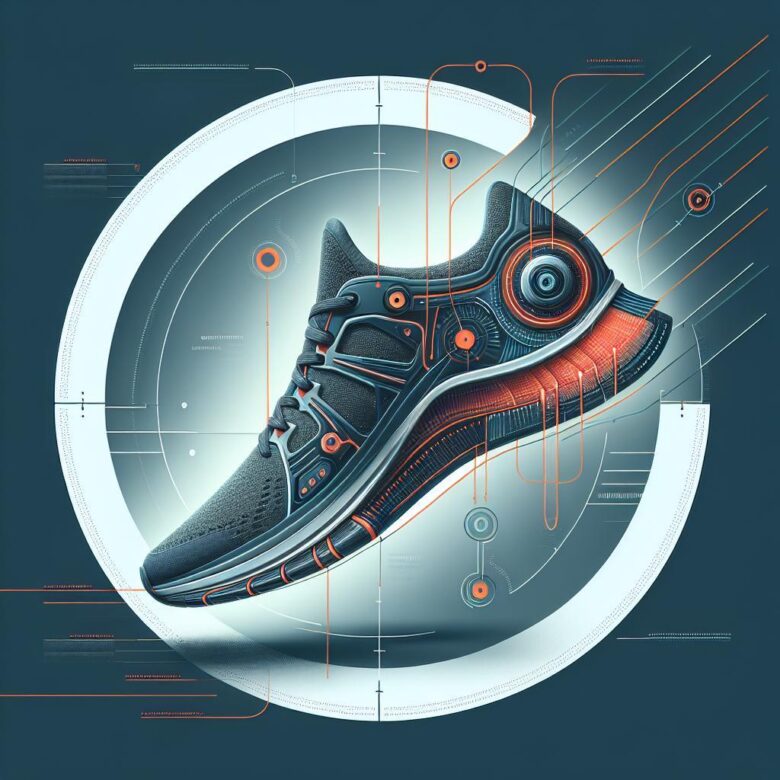
What actually saves your knees when your foot hits the ground with forces up to three times your body weight? In modern athletic shoes, shock absorption is not just “soft cushioning” but a carefully engineered system designed to manage impact in milliseconds.
Every stride sends a rapid wave of force through the heel, arch, ankle, and lower leg. The best shoes do more than mute that impact-they control how energy is dispersed, returned, and redirected to reduce stress on the body.
Behind that performance is a mix of biomechanics, material science, and precision design. Foams, air chambers, gel inserts, and plate structures each respond differently under load, shaping how a shoe feels and how effectively it protects the runner.
Understanding the science behind shock absorption reveals why two shoes with similar thickness can perform completely differently. It also explains how modern footwear has evolved from simple padding into a sophisticated tool for protection, stability, and speed.
The Physics of Shock Absorption in Athletic Shoes: How Impact Forces Are Managed
What actually happens in the few milliseconds after your foot hits the ground? The shoe is trying to do three jobs at once: reduce peak force, spread that force over slightly more time, and keep the body from wobbling while it happens. That last part gets missed a lot.
Shock absorption is not just “soft foam.” In lab workflows using force plates and in-shoe sensors such as Novel Pedar, you can see that a compliant midsole changes the shape of the impact curve rather than simply making impact disappear. A firm racing shoe may show a sharper loading rate but better directional control, while a max-cushion trainer often lowers the initial sting yet can allow extra ankle motion if the platform is narrow.
- Compression: Midsole cells deform under load, converting part of the impact into material strain and a little heat.
- Distribution: Geometry matters; wider bases and sidewalls spread pressure beyond the heel center.
- Recovery: The foam rebounds, but timing is critical-too slow feels dead, too fast can feel slappy.
A real example: a heavier heel-striking runner doing concrete city miles often overloads the lateral heel on first contact. In practice, I’d look less at advertised cushioning and more at contact pattern, wear marks, and slow-motion video from Hudl Technique or a phone camera. Sometimes the better shock manager is not the softest shoe, but the one that keeps the tibia from snapping inward too quickly.
Oddly enough, very soft shoes can make harsh landings look smoother than they are. You feel less, but the mechanics may still be messy. That is why impact management is a system property-foam, outsole, rocker shape, and foot motion have to cooperate.
How Midsole Materials and Shoe Design Influence Cushioning Performance
What actually changes cushioning on the run is not just foam softness, but how quickly the midsole compresses, spreads load, and rebounds before the next foot strike. EVA tends to be light and predictable, but under repeated impact it can pack out and lose feel; expanded TPU and PEBA-based foams usually return more energy and keep their resilience longer, which is why marathon racing shoes and premium trainers often feel lively even late in a session. Density matters too-two shoes can feel equally soft at step-in, yet the denser one may control bottoming-out far better over 15 miles.
Design makes that material behave differently. A wide platform reduces edge collapse, rocker geometry shifts loading forward to smooth transition, and sidewall shaping can cradle the foot so the foam compresses vertically instead of spilling outward. Small detail, big effect.
In wear testing, a common real-world example is a heavier heel striker choosing an ultra-soft daily trainer that feels great in the store but turns unstable on cambered roads after a week of use. I’ve seen this often when runners compare models on RunRepeat or lab reviews and focus only on softness ratings, ignoring stack shape and outsole coverage; less rubber under the heel can expose foam to faster deformation and change cushioning behavior sooner than expected.
- Foam formulation: sets rebound speed, compression depth, and temperature sensitivity.
- Midsole geometry: controls how impact forces are distributed through the shoe.
- Integration with outsole and plate: determines whether cushioning feels smooth, firm, unstable, or propulsive.
One quick observation from the shop floor: shoes that impress on the first jog around the store are not always the ones that protect best after 90 minutes. The better indicator is how the midsole behaves when tired legs start landing sloppily-because cushioning performance is really about consistency, not showroom softness.
Common Shock-Absorption Mistakes Athletes Make When Choosing Running and Training Shoes
One of the biggest mistakes is buying for softness instead of impact behavior. A shoe can feel plush in a store and still load the lower leg poorly once pace increases, especially during repeated landings, direction changes, or downhill running. I see this often with athletes who choose maximal foam for “joint protection,” then develop calf tightness because the midsole compresses deeply and alters timing more than they expected.
Another miss: judging shock absorption without considering the workout it has to survive. A runner doing easy road mileage, track intervals, and kettlebell circuits in the same pair is asking one platform to handle incompatible force patterns. In practice, I tell athletes to compare shoes against the actual session calendar, not against marketing labels like “responsive cushioning” or “all-day comfort,” and to use wear tracking in Strava or Garmin Connect once a shoe passes 300-500 miles or starts feeling uneven under one side.
- Ignoring body mass and loading style: a 90 kg heel striker and a 60 kg midfoot striker do not deform the same foam the same way.
- Overlooking surface interaction: a shoe that feels smooth on treadmill rubber may become harsh on concrete or unstable on indoor turf.
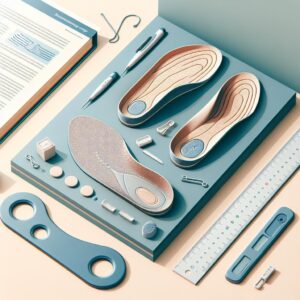
- Believing inserts will “fix” a dead midsole: insoles can fine-tune fit, but they do not restore lost energy management.
Small thing, big consequence. Athletes also forget that shock absorption changes as the shoe breaks in; what felt controlled in week one may become sloppy by week six if the outsole wears asymmetrically. Funny enough, some of the worst choices happen after a five-minute jog around the store-use a return-friendly retailer, test the shoe on the surfaces you actually train on, and pay attention to fatigue the day after, not just first-step comfort.
Summary of Recommendations
Modern shock absorption is not about making shoes softer-it is about managing force in a way that matches the runner, the sport, and the movement pattern. The best athletic shoe is one that balances cushioning, stability, energy return, and durability for its intended use, rather than maximizing any single feature. For buyers, the practical takeaway is clear: choose shoes based on activity demands, body mechanics, and comfort under real movement, not marketing claims alone. In the end, effective impact protection comes from the right design for the right athlete, which is why fit, function, and purpose should guide every purchase decision.

Dr. Marcus Vane is a Doctor of Podiatric Medicine (DPM) and a specialist in athletic biomechanics. With over a decade of experience treating professional runners and athletes, he focuses on how footwear impacts kinetic chain performance. At OxydShoes Pro Guide, Dr. Vane provides evidence-based reviews to help you find the perfect balance between high-speed performance and long-term foot health.