
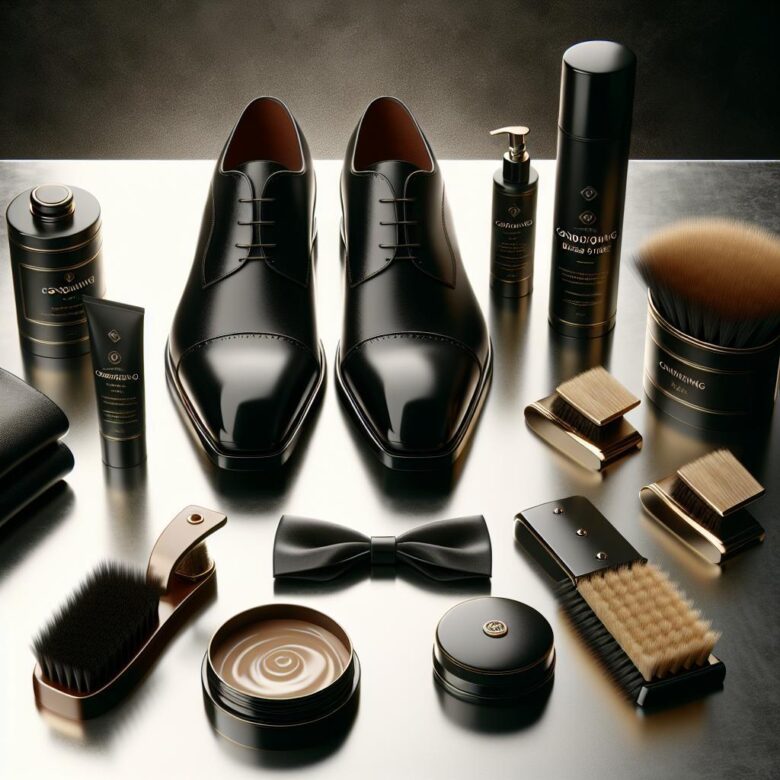
Why do some luxury leather dress shoes age into icons while others crack, dull, and lose their shape within a few seasons? The difference is rarely the leather itself-it is almost always the conditioning.
Fine calfskin and hand-finished leather are not maintained with guesswork. They require the right balance of nourishment, timing, and technique to preserve softness, color depth, and that polished, high-end look.
This guide explains how to condition luxury leather dress shoes without over-saturating, darkening, or damaging the finish. You will learn what to use, when to use it, and how to protect your investment for years of elegant wear.
Whether you own sleek Oxfords, refined Derbies, or artisan-made loafers, proper conditioning is what keeps premium leather supple and distinguished. Done correctly, it does more than maintain shoes-it extends their life and elevates their character.
Why Luxury Leather Dress Shoes Need Conditioning: Preserving Full-Grain Quality, Flexibility, and Finish
Why condition full-grain dress shoes at all, if they already look refined out of the box? Because premium calfskin is finished to be elegant, not invincible. With wear, the leather loses internal oils through flexing, heat, and low indoor humidity, and that shows up first as tight creasing across the vamp, a papery feel at the quarters, and a finish that starts to look flat rather than rich.
Conditioning is less about “making shoes shiny” and more about keeping the fiber structure from turning brittle. In practice, that matters most on high-stress areas: the toe break, the instep, and along the facing where the leather bends every time you walk. Skip it long enough and the shoe can still look acceptable on a rack, but feel dry and resistant on foot. That’s usually the point when finer leather begins to age badly, not beautifully.
One quick observation: office wear is often harder on dress shoes than people assume. HVAC systems pull moisture out of leather steadily, and if you rotate between two pairs in a climate-controlled office all week, you’ll often see dryness before visible damage. I’ve seen a pair of black cap-toes stored with Shoe trees and brushed regularly still need conditioning because the finish stayed clean while the hide underneath slowly dried out.
- It preserves suppleness, so creases stay softer and less sharp.
- It supports the finish, helping color depth and surface clarity hold longer.
- It reduces the chance that polishing sits on top of a thirsty surface and looks uneven.
That distinction matters. A well-conditioned shoe accepts cream, wax, and brushing more predictably; a dry one often blotches, dulls, or develops stress lines that no amount of buffing will hide. Condition too rarely, and you’re not just neglecting appearance-you’re shortening the useful life of expensive leather.
How to Condition Luxury Leather Dress Shoes Correctly: Step-by-Step Methods, Product Selection, and Drying Times
Start with clean, room-temperature leather. Brush off grit with a horsehair brush, then wipe old polish or city dust from the vamp and welt using a slightly damp cotton cloth; if the shoe has wax buildup, a light pass with Saphir Reno’Mat on a cloth keeps conditioner from sitting on top like grease. Less is better.
Apply conditioner with your fingers or a small cotton chamois, working one shoe at a time so you can judge absorption before repeating. Use pea-sized amounts on the vamp, quarters, and heel counter, avoiding heavy loading at the broguing, closed channel sole edges, and apron stitching where residue likes to collect. On museum calf or hand-finished leather, test under the ankle bone first-some creams darken the highs and lows of the patina more than expected.
- For box calf and smooth French calf: cream conditioner, thin coat, 10 to 20 minutes absorption, then buff.
- For shell cordovan: cordovan cream sparingly, no soaking, let it settle 15 minutes, then brush vigorously.
- For softer Italian calf that feels dry at flex points: two very light passes are safer than one wet one, with 30 minutes between.
A quick shop-floor observation: the shoes most often overconditioned are black cap-toes worn in winter rotation. People see salt haze, panic, and flood the leather, when what they needed first was proper cleaning and drying away from heat vents. If the leather still feels cool or tacky after application, wait another hour before polishing; overnight drying is smarter in humid rooms.
One real example-after conditioning a pair of John Lobb city oxfords before an event, I’d leave cedar trees in, rest them for two to four hours, then apply cream polish only after the surface lost that damp sheen. Rush the drying stage, and the finish can streak or mute the shine you were trying to improve.
Common Leather Conditioning Mistakes That Ruin Dress Shoes: Overconditioning, Product Buildup, and Finish Damage
Too much conditioner is one of the fastest ways to make premium calfskin look tired instead of refined. Leather only absorbs so much; after that, the excess sits near the surface, softens the structure, and leaves the upper looking swollen or limp rather than crisp. On dress shoes, that loss of shape shows first around the heel counter, throat, and vamp crease.
It happens a lot with owners who condition on a schedule instead of by condition. I’ve seen dark museum calf treated every two weeks with heavy cream until the color went flat and the shoe stopped taking a proper shine. If the leather still feels supple after brushing and wears no pale, dry-looking stress lines, skip the conditioner.
- Overconditioning: Causes sponginess, weakened edge definition, and slower drying after wear.
- Product buildup: Layers of wax, cream, and conditioner trap dust in the pores and create a cloudy, sticky surface.
- Finish damage: Aggressive rubbing or solvent-heavy products can disturb aniline and hand-finished surfaces, especially on high-end Italian shoes.
Quick observation: the shoe brush tells the truth. If a few passes with a Saphir Médaille d’Or horsehair brush bring back most of the life, the shoe needed brushing, not feeding.
Another mistake is stacking products without a reset. When buildup gets heavy, conditioner cannot penetrate evenly, so users apply more, making the problem worse. In the workshop, I usually spot this when the toe looks dull but feels tacky; a careful clean with Saphir Reno’Mat or a lighter cleaner on a test area often reveals the original finish underneath.
And yes, this part gets ignored: rubbing hard does not help. On glazed calf or delicate antiqued finishes, pressure alone can dull the topcoat and leave patchy light spots that no amount of polish fully hides. When in doubt, use less, wait longer, and judge the leather the next day-not five minutes later.
Expert Verdict on The Ultimate Guide to Conditioning Luxury Leather Dress Shoes
Conditioning luxury leather dress shoes is less about routine and more about judgment. The right product, applied at the right interval, preserves suppleness, depth of color, and a refined finish without weakening the leather or creating buildup. If the leather looks dry, feels stiff, or has lost its richness, condition lightly; if it still feels balanced and looks healthy, leave it alone.
Choose quality over frequency, test products before full application, and treat conditioning as part of a broader care strategy that includes cleaning, brushing, and proper storage. In practice, restraint delivers the best long-term result: leather that ages elegantly, performs reliably, and continues to justify its investment.

Dr. Marcus Vane is a Doctor of Podiatric Medicine (DPM) and a specialist in athletic biomechanics. With over a decade of experience treating professional runners and athletes, he focuses on how footwear impacts kinetic chain performance. At OxydShoes Pro Guide, Dr. Vane provides evidence-based reviews to help you find the perfect balance between high-speed performance and long-term foot health.