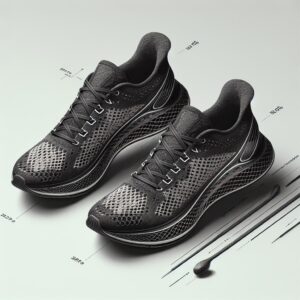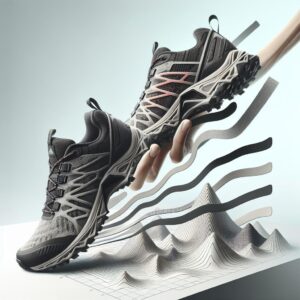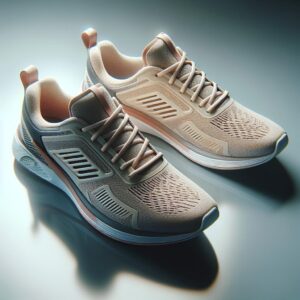
Still wondering why your feet feel like they’re overheating halfway through a HIIT session? The wrong training shoes can trap heat, slow your footwork, and turn explosive intervals into a battle against discomfort.
High-intensity interval training demands more than soft cushioning or a trendy design. You need breathable shoes that can dump heat fast, stay stable during lateral movement, and keep up with constant transitions from sprints to squats to jump work.
The best breathable training shoes for HIIT are built to do exactly that: combine airflow, lockdown, and responsive support without adding bulk. In this guide, we break down the top options that help you train harder, move quicker, and recover from each round with less distraction.
Whether you’re chasing speed, durability, or all-around versatility, the right pair can make every interval feel sharper. These are the training shoes worth considering if breathability is non-negotiable.
What Makes a Training Shoe Breathable for HIIT Workouts
What actually makes a training shoe feel breathable once the workout gets messy? It is not just a mesh upper. For HIIT, breathability depends on how fast the shoe can move heat and moisture out while your foot is changing direction, loading hard, and swelling slightly from repeated effort.
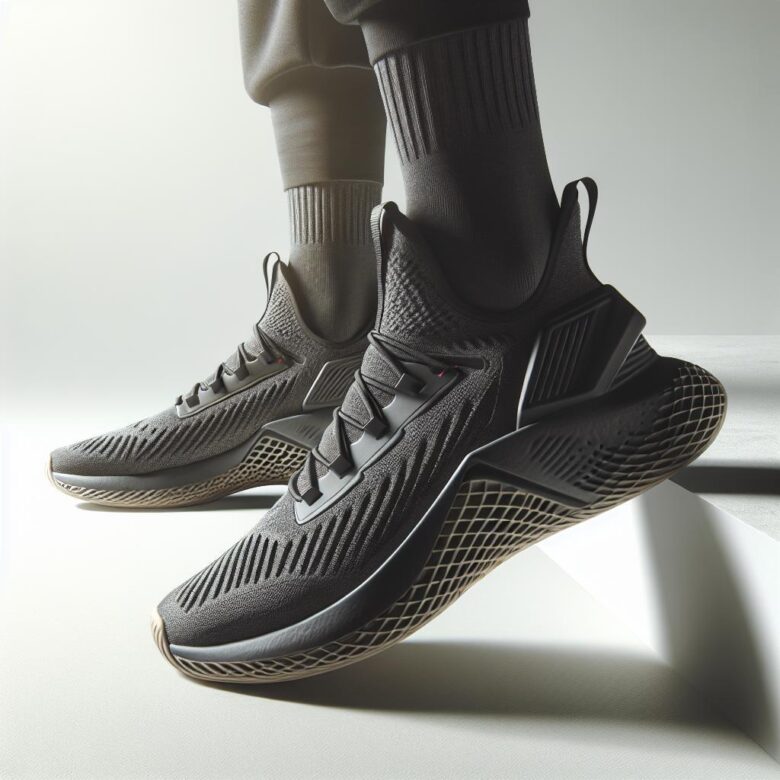
A good HIIT shoe usually combines an open-engineered mesh with structure that does not seal the foot in. The upper needs enough airflow through the forefoot and midfoot, but the lining matters too; dense internal foam packages often trap heat even when the outside looks airy. I see this a lot in studio classes: two shoes both claim “breathable,” but the one with fewer overlays and a thinner tongue stays noticeably drier by round four of box jumps and sled pushes.
- Vent placement: airflow is most useful where heat builds fastest, usually over the toe box and along the medial side during lateral work.
- Moisture management: breathable shoes should let sweat vapor escape, not simply allow air in.
- Foam density: softer, thicker midsoles can insulate more than people expect, especially in indoor circuits.
Small detail. Lace pressure can also affect breathability because a tightly compressed upper reduces air pockets across the top of the foot. In practice, I often check this by comparing post-workout sock dampness and using a simple wear log in Notion when rotating test pairs.
One quick real-world observation: shoes that feel cool during a short try-on can run hot in a 30-minute interval block if the heel collar and tongue hold moisture. So yes, airflow matters, but evaporation efficiency is the real differentiator. That is the detail most shoppers miss.
How to Choose the Best Breathable HIIT Shoes Based on Stability, Cushioning, and Fit
Start with the workout, not the shoe wall. A HIIT shoe that feels great for treadmill intervals can become unstable the moment you add lateral hops, skater bounds, or fast step-up transitions, so match the shoe to your dominant movement pattern before you look at branding or foam claims.
Use this quick filter when comparing pairs:
- Stability: Press the heel counter and twist the midfoot slightly; for HIIT, you want controlled resistance, not a floppy platform. If you land hard during burpees or jump lunges, a wider base under the forefoot usually matters more than an ultra-soft ride.
- Cushioning: Look for moderate cushioning with a firm rebound rather than deep sink-in softness. Too much compression slows ground contact and can make quick deceleration feel sloppy.
- Fit: Check lockdown at the midfoot first, toe room second. In real sessions, heel slip and side-to-side drift end workouts faster than a slightly snug toe box.
Short test: wear the shoes for 5 minutes and do three moves in-store or at home after delivery-high knees, lateral shuffles, and split-squat pulses. If your toes jam forward on shuffles or your arch rides over the edge of the footbed, the pair is wrong even if it feels comfortable standing still. That part gets missed a lot.
I’ve seen athletes choose highly cushioned running shoes for HIIT because they “feel premium,” then complain during box jumps and battle-rope intervals that they never feel planted. If you rotate pairs, logging sessions in Strava or TrainingPeaks can help you notice which shoe consistently works better for power days versus cardio-heavy circuits.
Breathability should support the fit, not weaken it. Thin mesh is useful, but if the upper collapses during lateral cuts, cooler feet are a poor trade for unstable landings.
Common HIIT Shoe Buying Mistakes That Reduce Comfort, Grip, and Performance
Most buyers make the mistake before they ever lace the shoes: they shop by category label instead of movement demand. A “training shoe” can still be too soft for lateral shuffles, too narrow through the forefoot for burpees, or too sealed-up in the upper for indoor circuit heat. If your HIIT sessions mix sled pushes, rower intervals, jump rope, and fast floor transitions, the wrong platform usually shows up as foot slide inside the shoe long before it shows up as pain.
One common miss is testing fit while standing still in a store, then assuming comfort will hold under fatigue. It won’t. I usually tell people to do three quick checks on a hard surface: a lateral step, two pogo hops, and a plank toe bend; if the heel lifts, the forefoot pinches, or the outsole squeaks without gripping, move on. Short test. Big difference.
- Buying for cushioning first: plush midsoles can feel great at try-on, then turn unstable during skater jumps and dumbbell complexes.
- Ignoring sock and sweat conditions: a breathable mesh upper that works dry may become sloppy once soaked; bring your actual training socks when fitting.
- Overtrusting online reviews: use reviews to spot durability trends, then verify outsole pattern and fit notes on RunRepeat or the brand’s spec page.
Quick real-world observation: gym floors vary more than people expect. I’ve seen the same shoe grip well on rubber tiles, then feel sketchy on dusty studio laminate during shutdown sprints. That’s why outsole rubber compound and tread geometry matter more for HIIT than a stylish knit upper.
And yes, one more thing people overlook: replacing shoes too late. When the forefoot flex point starts creasing off-center or the heel lining goes smooth, control drops before the shoe looks “worn out.” Performance loss is often subtle, until it suddenly isn’t.
Final Thoughts on The Best Breathable Training Shoes for High-Intensity Interval Training
The best breathable HIIT shoe is the one that stays stable when your pace spikes, cool when the workout heats up, and comfortable enough to keep your focus on performance instead of foot fatigue. Prioritize airflow only if it comes with secure lockdown, responsive cushioning, and dependable grip-especially for lateral moves, sprints, and fast transitions.
- Choose lightweight mesh if heat and sweat are your main issue.
- Choose added structure if you need more support for explosive side-to-side training.
- Replace worn pairs early once traction or midsole rebound starts to fade.
In the end, the right pair should feel fast, planted, and distraction-free from the first interval to the last.

Dr. Marcus Vane is a Doctor of Podiatric Medicine (DPM) and a specialist in athletic biomechanics. With over a decade of experience treating professional runners and athletes, he focuses on how footwear impacts kinetic chain performance. At OxydShoes Pro Guide, Dr. Vane provides evidence-based reviews to help you find the perfect balance between high-speed performance and long-term foot health.