Could your shoes be quietly pulling your body out of alignment with every step? Footwear does far more than protect your feet-it influences how your ankles, knees, hips, and spine work together.
The right shoe features can reduce unnecessary strain, support a more balanced gait, and help your posture stay stable throughout the day. The wrong ones can reinforce poor mechanics until discomfort becomes your normal.
In this article, we’ll examine the essential footwear elements that matter most for posture and alignment, from arch support and heel structure to cushioning and sole flexibility. You’ll learn how smart shoe design affects movement, stability, and long-term joint health.
Whether you stand for hours, walk long distances, or simply want to move with less tension, understanding these features can change how your whole body feels. Better posture often starts lower than most people think-right at the ground-contact point.
What Footwear Features Most Influence Posture and Body Alignment
What actually changes posture in a shoe? Not the marketing terms. The features that matter most are the ones that control how the foot loads the ground, because that loading pattern travels upward into the ankle, knee, pelvis, and even ribcage position.
- Midsole firmness and stability geometry: A shoe that collapses too easily lets the heel drift and the arch flatten late in stance, which often shows up as the knee moving inward. In clinic-style gait checks, I pay close attention to sidewall height, heel counter stiffness, and whether the platform is broad enough to keep the foot from spilling over the edge.
- Heel-to-toe drop and forefoot flexibility: Higher drop can reduce ankle demand, which helps some people with limited calf length, but it may also keep them from using full ankle motion. Too-stiff forefoots, on the other hand, can block smooth toe-off and shift work into the hips and lower back.
- Torsional rigidity and rearfoot control: If a shoe twists excessively through the midfoot, alignment gets less predictable during walking turns, stairs, and uneven pavement. A moderate twist resistance usually gives better directional control without making the shoe feel like a brace.
Quick example: someone standing all day on retail floors often feels “back fatigue” in soft, trendy sneakers. Swap them into a model with a firmer base and structured heel-something you can compare on RunRepeat or by doing a simple hand-twist test in store-and their posture often looks less slouched by the end of a shift.
One thing people miss: outsole shape matters more than they expect. A shoe can have great cushioning, but if the base is narrow under the heel or first metatarsal, alignment gets noisy fast; that usually shows up before discomfort does.
How to Evaluate Arch Support, Heel Drop, and Sole Stability for Better Posture
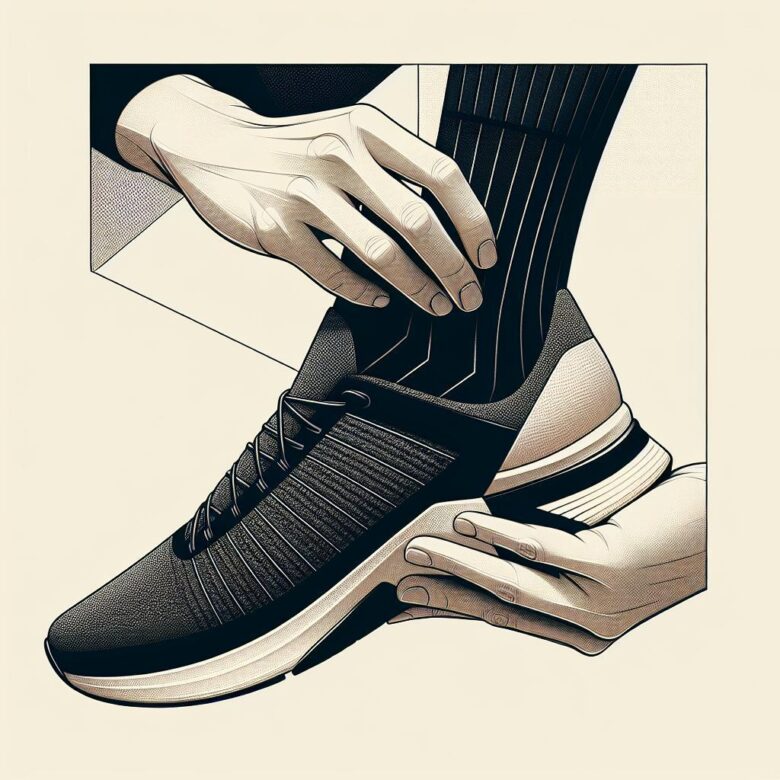
Start with the shoe off your foot, not on it. Press the arch area with both thumbs: it should resist collapse but still flex slightly, because a fully rigid arch often pushes the foot laterally and can make the knee track outward. In clinic fittings and retail gait checks, I’ve seen “supportive” shoes create more hip sway simply because the arch contour sat too far forward for the wearer’s actual midfoot.
Now check heel drop-the height difference between heel and forefoot. A higher drop can reduce strain on the calf, but it also tips body weight forward and may increase lumbar compensation if you already stand with an anterior pelvic tilt. If you spend all day at a standing desk and notice your toes gripping inside the shoe by mid-afternoon, that’s often a clue the drop is doing more postural work than you want.
- Use a flat surface test: set the shoe on a counter and see whether it rocks side to side. Sole instability at rest usually feels worse during single-leg loading.
- Twist the shoe gently from heel to toe; moderate torsional resistance is usually better for alignment than a sole that wrings out like a towel.
- Compare outsole wear patterns on your old pair before buying again. Uneven outer-heel wear often points to a stability mismatch, not just “normal walking.”
One quick observation: people often blame arch support when the real problem is the heel counter. If the back of the shoe folds easily under thumb pressure, the rearfoot can drift enough to cancel out whatever support the midsole claims to provide. It matters.
For home evaluation, a slow-motion walk recorded on a phone and reviewed in Hudl Technique or Onform is more useful than judging comfort in a mirror for 30 seconds. Look for quiet landings, minimal ankle wobble, and whether your shoulders stay level-because stable feet usually show up higher in the chain, or they don’t count.
Common Shoe Design Mistakes That Worsen Alignment and How to Avoid Them
Small design errors can force the body to compensate all day. The worst offenders are shoes that look stable but collapse where it matters: a soft heel counter, a sole that twists through the midfoot, or an aggressive toe spring that keeps the forefoot artificially lifted and reduces natural toe loading during walking.
One quick check I use in fitting rooms: hold the shoe at the heel and forefoot, then try to wring it like a towel. If it folds through the arch, that shoe often lets the foot drift instead of guiding it. In clinic-adjacent retail settings, brands pass visual inspection all the time and still fail this hand test.
- Overbuilt cushioning without structure: Plush midsoles can feel comfortable for five minutes, then create delayed instability. If your ankles wobble on soft foam, look for a denser carrier rim or guidance geometry rather than simply “more cushion.”
- Narrow or tapered toe boxes: When the big toe is pushed inward, push-off mechanics change and the knee often tracks less cleanly. A runner switching to a foot-shaped last will usually notice less forefoot gripping within a week.
- Heel elevation that exceeds your mobility needs: A raised heel can be useful temporarily, but too much drop may keep the calf complex shortened and shift load forward. Check model specs on RunRepeat or the brand’s technical page before buying.
Oddly enough, very stiff shoes can be just as problematic. I have seen warehouse workers choose “supportive” pairs that barely bend at the toe break, then complain of hip fatigue because the shoe no longer moves with their gait cycle. Not ideal.
Avoid buying by softness, trend, or label alone; match the shoe to how your foot actually loads under fatigue, not how it feels on the first step. If the shoe changes your stride the moment you put it on, pay attention-that is usually the warning.
Summary of Recommendations
Choosing footwear that supports posture is less about chasing trends and more about matching the shoe to how your body moves every day. The best option will balance stability, cushioning, arch support, and proper fit without forcing your feet into unnatural positions. If a shoe feels comfortable only at first wear but leaves you fatigued later, it is not doing its job.
As a practical rule, prioritize function over appearance and assess shoes by how they affect your alignment after hours of walking or standing. When in doubt, use this decision filter:
- Support your natural foot mechanics
- Fit securely without pressure points
- Reduce strain through the knees, hips, and lower back
The right footwear should help your whole body work more efficiently, not make it compensate.

Dr. Marcus Vane is a Doctor of Podiatric Medicine (DPM) and a specialist in athletic biomechanics. With over a decade of experience treating professional runners and athletes, he focuses on how footwear impacts kinetic chain performance. At OxydShoes Pro Guide, Dr. Vane provides evidence-based reviews to help you find the perfect balance between high-speed performance and long-term foot health.