Can the right pair of weightlifting shoes add kilos to your lift before you change a single thing in your training? For serious lifters, footwear is not a minor detail-it shapes stability, bar path, force transfer, and confidence under load.
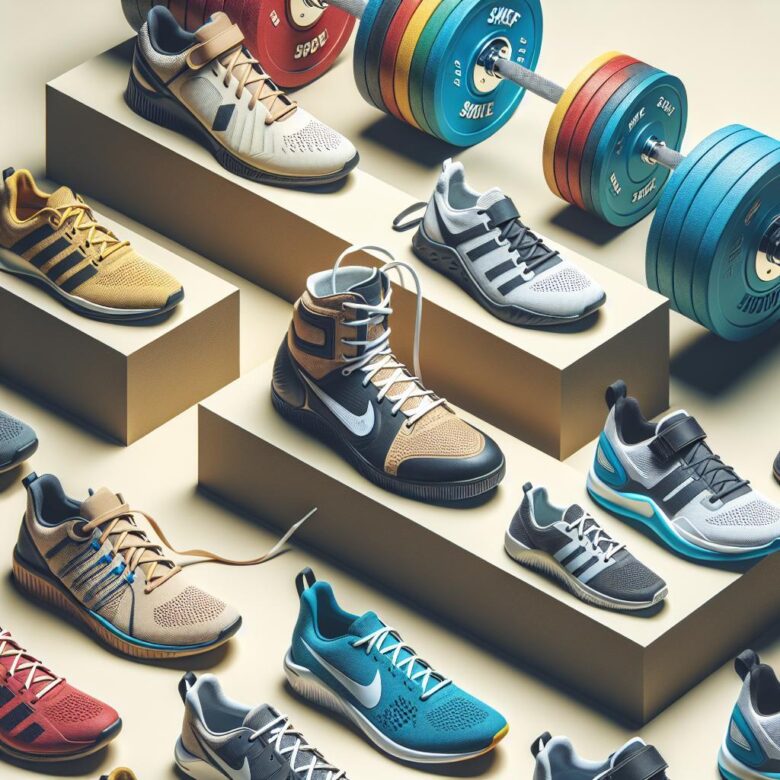
Professional weightlifting shoes may look similar at first glance, but heel height, sole rigidity, strap design, toe box shape, and overall fit can produce very different results on the platform. A shoe that sharpens one athlete’s squat mechanics may feel restrictive or unstable to another.
This comparison breaks down the leading professional models with a focus on what actually matters in performance: positioning, durability, comfort, and sport-specific function. Whether you compete in Olympic weightlifting, coach athletes, or want a more precise setup for heavy training, the differences are too important to ignore.
Instead of repeating brand claims, we examine how each shoe performs where it counts-under maximal load, through repeated sessions, and across different body types and lifting styles. The goal is simple: help you choose the shoe that matches your mechanics, not just your budget or brand loyalty.
What Defines Professional Weightlifting Shoes: Key Design Features, Heel Height, and Stability Benefits
What makes a weightlifting shoe “professional” is not branding or stiffness alone; it is how the shoe manages force under a loaded bar. The defining package is a non-compressible sole, a raised heel, a highly structured upper, and lockdown features that prevent the foot from shifting when the bar path gets heavy. If the midsole deforms like a running shoe, the lifter loses positional consistency before they lose strength.
Heel height matters, but not in a simplistic “higher is better” way. Most dedicated models sit around 0.6 to 1 inch of effective heel rise, enough to help the knees travel forward and keep the torso more upright in the squat or clean recovery without asking as much ankle dorsiflexion. In practice, a lifter with long femurs and limited ankle mobility often feels immediately more balanced in a 0.75-inch shoe, while a shorter, more mobile athlete may prefer a slightly lower setup to avoid being pitched forward.
- Outsole and midsole: usually TPU, wood, or stacked high-density materials that resist compression under maximal load.
- Heel construction: wedge-shaped and solid, not cushioned, to create a repeatable receiving position.
- Upper security: metatarsal straps, rigid heel counters, and dense sidewalls reduce foot roll during lateral instability.
Small detail, big difference.
I have seen lifters test shoes on a platform and change their receiving mechanics within minutes. One useful workflow is filming side-view squats in Coach’s Eye or any slow-motion app: if the heel stays planted, knees track cleanly, and depth improves without the arch collapsing, the shoe is probably doing its job. Oddly enough, the best sign is often what you do not feel-less wobble, less toe gripping, fewer mid-rep adjustments.
And yes, stability is the real payoff. A professional weightlifting shoe does not add kilos by magic; it removes variables, which is exactly what advanced lifters and coaches are paying for.
How to Compare Professional Weightlifting Shoes for Fit, Performance, and Lifting Style
Start with your actual squat mechanics, not the product page. A lifter with long femurs and limited ankle dorsiflexion often benefits from a higher heel and a firmer rearfoot, while someone pulling sumo and only occasionally front squatting may feel forced too far forward in the same shoe. Fit should be checked late in the day, in training socks, with the insole in place-small things, but they change whether the midfoot locks down or slides.
One quick method I use in-store: lace up, then do three bodyweight squats, a split jerk dip, and a calf raise. If the heel lifts on the dip, the collar shape is wrong; if your toes jam on the squat descent, the toe box is too short even if standing fit feels fine. Simple.
- For fit: look for midfoot containment first, toe splay second, and zero heel float under speed. Width matters more across the first metatarsal than at the forefoot tip.
- For performance: compare outsole compression and platform torsion by pressing the shoe against the floor edge; softer shoes leak force on heavy cleans.
- For lifting style: match heel height to your pattern, not your ambition-catch-focused Olympic lifting, high-bar squatting, and hybrid strength work rarely want the exact same geometry.
I’ve seen lifters buy the “most stable” shoe and still miss positions because the strap sat too high across the arch. It happens more than people think. If you can, record side-view reps on Coach’s Eye or even slow motion on your phone and compare shin angle, torso position, and foot pressure between models.
A real example: an 81 kg lifter switching from a flat trainer to a 20 mm heeled shoe hit depth instantly, but kept rocking onto the toes in the clean because the shoe was too narrow through the midfoot. Better number on paper, worse lift under load. If the shoe changes your balance more than your positions, keep looking.
Common Weightlifting Shoe Buying Mistakes and How to Choose the Best Model for Long-Term Progress
The most expensive mistake is buying for your current weakness instead of your next two years of training. Lifters often choose the tallest heel because their squat looks cleaner in the fitting room, then realize six months later the shoe masks ankle restrictions and shifts them too far forward in the pull. If you split time between classic lifts, strength blocks, and accessory work, heel height and base shape need to match that broader workload, not one flattering rep.
Seen this a lot. A newer athlete orders the same model worn by an elite 89 kg lifter, ignores foot shape, and ends up cranking the straps just to control heel slip; that usually means the last is wrong, not that the shoe needs “breaking in.” Before buying, measure foot length and forefoot width at the end of the day, compare it against brand sizing charts on Rogue Fitness or manufacturer pages, and check whether the toe box collapses when you drive the knee out in a bodyweight squat.
- Do not treat stiffness as universally better: very rigid soles help force transfer, but some lifters with limited midfoot mobility lose balance because they cannot “find” pressure under the floor.
- A single strap can be enough if the upper locks the midfoot well; two straps do not automatically mean better security.
- Ignore color and hype drops until you confirm federation legality, sole integrity, and replacement availability.
One quick observation from platforms and warm-up rooms: shoes that feel perfect for three pulls can become a problem by the third session of the week. That is why I tell athletes to test with full training volume, not just heavy singles. Film side and front angles, then review in Coach’s Eye or any slow-motion app to see whether the shoe actually improves bar path and receiving stability; if not, the “best” model is just expensive noise.
Key Takeaways & Next Steps
Choosing the right professional weightlifting shoe comes down to matching the shoe’s structure to your lifting style, mobility, and competitive goals. A higher heel and rigid platform can improve positioning for Olympic lifts and deep squats, while a lower, more versatile build may suit mixed strength training better. The best option is rarely the most expensive-it is the one that gives you consistent balance, secure foot lockdown, and confidence under load.
- Prioritize fit over brand reputation or aesthetics.
- Select heel height based on your ankle mobility and squat mechanics.
- Invest for long-term use if weightlifting is a core part of your training.
In practice, the right shoe should feel like a performance tool, not just equipment.

Dr. Marcus Vane is a Doctor of Podiatric Medicine (DPM) and a specialist in athletic biomechanics. With over a decade of experience treating professional runners and athletes, he focuses on how footwear impacts kinetic chain performance. At OxydShoes Pro Guide, Dr. Vane provides evidence-based reviews to help you find the perfect balance between high-speed performance and long-term foot health.