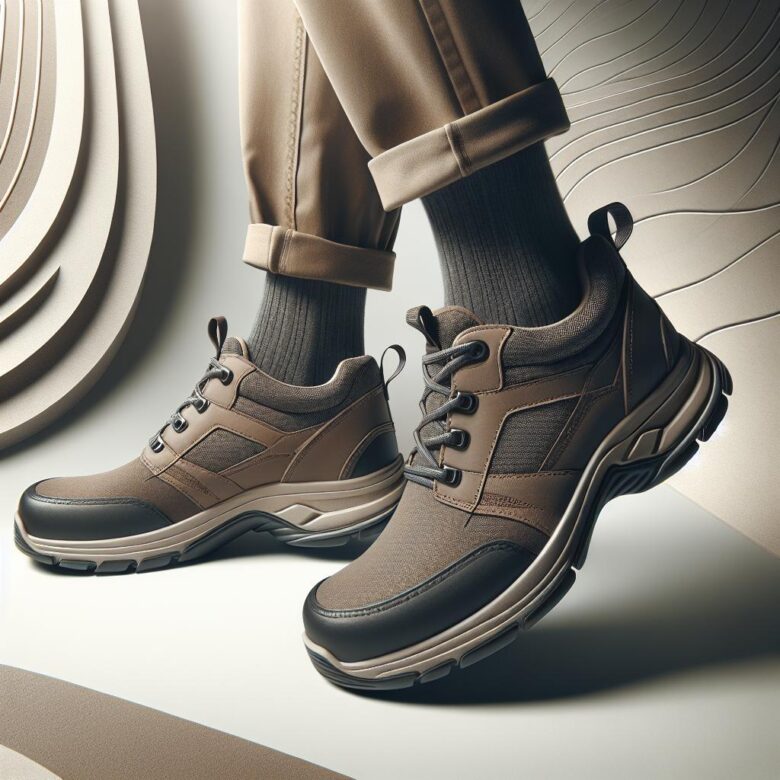
How much damage can the wrong work shoes do in a single shift? If you stand for eight, ten, or twelve hours a day, poor footwear can turn normal fatigue into chronic foot pain, knee strain, and lower-back stress.
The best ergonomic work shoes do more than feel soft at first step. They support alignment, absorb repeated impact, stabilize every movement, and help reduce the physical wear that builds up over long hours on hard floors.
For nurses, chefs, warehouse staff, retail teams, and other professionals on their feet all day, the right pair can directly affect comfort, endurance, and job performance. Small design details like arch support, cushioning density, outsole grip, and toe-box shape often make the biggest difference by the end of a shift.
This guide breaks down the best ergonomic work shoes for demanding environments, with a focus on comfort, support, durability, and real-world performance. If your feet are exhausted before your shift is over, your shoes are likely part of the problem.
What Makes Ergonomic Work Shoes Essential for Professionals on Their Feet All Day
What makes ergonomic work shoes essential is not just comfort-it is load management over time. Eight to twelve hours on concrete, tile, or sealed warehouse floors creates a different problem than casual standing: the foot stops absorbing force efficiently, the calf stays half-engaged, and pressure shifts up the chain into the knees, hips, and lower back. That is why a shoe that feels “soft” in the first 20 minutes can still be wrong by mid-shift.
In real workplaces, you see this fast. A nurse moving between patient rooms, a line cook pivoting on greasy tile, or a retail manager stuck at a POS station all need slightly different support behavior, but the common requirement is stable cushioning that does not collapse early. Brands and fitters often use tools like Volumental foot scanning in specialty stores to spot arch shape, heel width, and pressure tendencies before those issues turn into plantar irritation or forefoot numbness.
One quick observation: people often blame “bad feet” when the bigger issue is mismatch between the shoe and the job surface. I have seen hospital staff do better in firmer, rocker-style shoes than in plush athletic pairs because the rocker reduces toe joint strain during constant walking and stopping. Funny thing is, the shoe may feel less impressive in the box and much better at hour nine.
- Ergonomic shoes help control fatigue by stabilizing gait, not just adding padding.
- They reduce micro-slippage inside the shoe, which matters during repetitive turns and lateral movement.
- They protect work consistency-less foot pain usually means fewer posture changes and less end-of-shift back tightness.
Ignore that distinction, and even a premium shoe can become an expensive source of fatigue.
How to Choose the Best Ergonomic Work Shoes Based on Support, Fit, and Workplace Demands
Start with the floor, not the shoe. A hospital nurse walking polished tile for 12 hours needs different underfoot behavior than a warehouse picker crossing concrete and grated platforms, even if both complain about foot fatigue. Match the outsole and midsole to the surface first, then check whether your workplace requires slip resistance, electrostatic protection, toe caps, or easy-clean uppers.
Fit comes next, and this is where many people get it wrong. Measure both feet at the end of the day using a Brannock Device or a good in-store scanner, then fit to the larger foot and test with your actual work socks and any orthotics you already use. If your heel lifts when you turn quickly, or your forefoot feels compressed before the shoe is broken in, move on-those problems rarely improve enough for full-shift wear.
- Support: Look for stable sidewalls, a firm heel counter, and torsional control rather than an overly soft, marshmallow feel that collapses by hour six.
- Fit: Check toe box shape, arch alignment, and whether the lacing or closure system lets you fine-tune pressure across the midfoot.
- Workplace demand: Prioritize safety certifications and traction pattern if spills, ladders, or constant pivoting are part of the job.
One quick observation: people often blame “bad arches” when the real issue is volume mismatch. I’ve seen kitchen staff buy supportive shoes that were technically the right length but too shallow, which forced the tongue and laces to create pressure across the instep by mid-shift.
Try this in real life: wear the pair indoors for 30 to 45 minutes, do stair climbs, stand still, then make sharp lateral turns. Sounds simple. If the shoe only feels good while walking straight, it may fail in the exact moments your job is hardest on the body.
Common Mistakes That Ruin Comfort and Foot Health When Buying Work Shoes
Buying the wrong size is obvious; buying the wrong shape is what quietly causes trouble. A shoe can be your usual size and still compress the forefoot, let the heel slide, or force your toes upward against a shallow toe box. I see this often with nurses and warehouse staff who order online by brand loyalty instead of checking width, volume, and last shape on tools like Brannock Device measurements or fit charts on Zappos.
Another mistake: judging comfort in the first five minutes on carpet. That tells you almost nothing about how the shoe behaves after four hours on concrete, resin floors, or ladder rungs. If your job includes frequent pivoting at a prep station or walking between hard back-of-house surfaces, a soft, pillowy midsole may actually increase fatigue because the foot keeps stabilizing on every step.
And yes, people do this all the time: they buy for cushioning and ignore the sockliner and actual insole geometry. Bad move.
- Choosing a heavy safety shoe with excellent protection but poor flex placement, so it bends under the arch instead of at the ball of the foot.
- Using generic aftermarket insoles without checking whether they reduce toe-box depth and create dorsal toe irritation by midday.
- Rotating one pair every day until the midsole stays compressed, even though the outsole still looks fine.
A quick real-world observation: kitchen workers often blame “plantar fasciitis” when the real issue is heel counter breakdown and uneven outsole wear. The upper still looks acceptable, so they keep wearing the pair weeks too long. If the shoe starts leaning outward on a flat surface or the heel collar feels collapsed when you slide it on, comfort is already on borrowed time.
One more thing-don’t shop late only because feet swell, then size up excessively. That often creates friction, clawing, and forefoot instability instead of relief. Better to fit for end-of-day volume with your actual work socks and walk long enough to notice where the foot is fighting the shoe.
Wrapping Up: Best Ergonomic Work Shoes for Professionals Who Stand All Day Insights
Choosing the best ergonomic work shoes comes down to matching support, cushioning, and stability to the demands of your job-not just picking the most popular pair. The right shoe should reduce fatigue by the end of your shift, support healthy alignment, and feel secure on your specific work surface. Before buying, prioritize fit over style, test for all-day comfort, and replace worn-out pairs before they start affecting your posture or performance.
If you stand for hours every day, investing in well-designed work shoes is more than a comfort upgrade-it is a practical step toward protecting your energy, mobility, and long-term joint health.

Dr. Marcus Vane is a Doctor of Podiatric Medicine (DPM) and a specialist in athletic biomechanics. With over a decade of experience treating professional runners and athletes, he focuses on how footwear impacts kinetic chain performance. At OxydShoes Pro Guide, Dr. Vane provides evidence-based reviews to help you find the perfect balance between high-speed performance and long-term foot health.