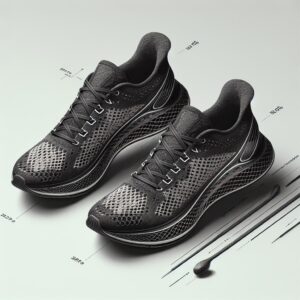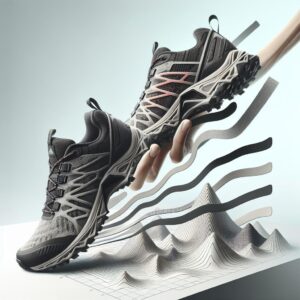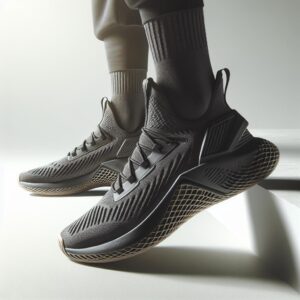
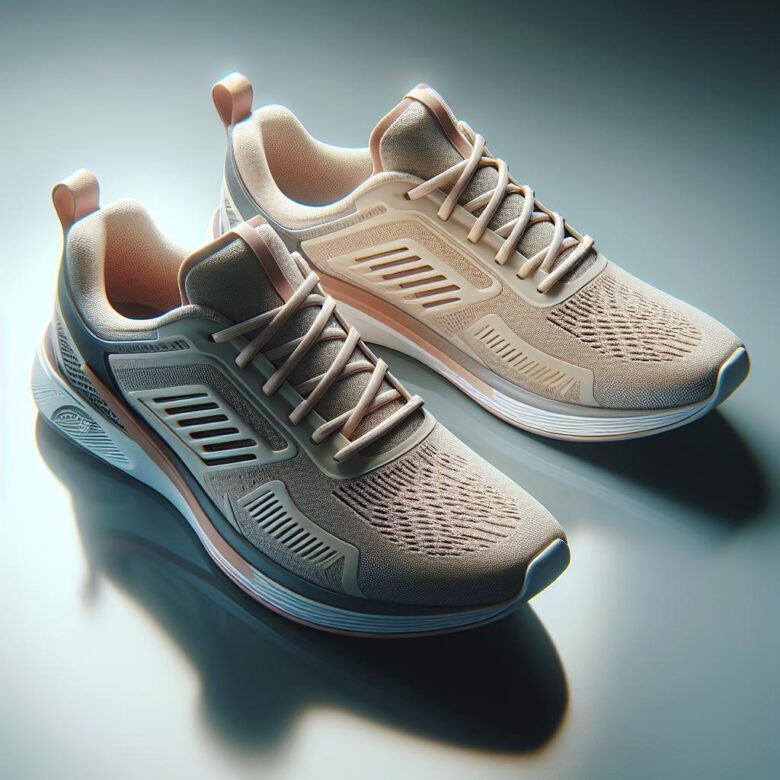
Can the wrong running shoes quietly sabotage every mile you train for? For long-distance runners, poor arch support does more than cause discomfort-it can trigger fatigue, strain, and nagging injuries that build with every step.
The best long-distance running shoes are designed to protect your feet when mileage climbs, combining cushioning, stability, and support that match your arch type. Whether you have flat feet, neutral arches, or high arches, the right pair can dramatically improve comfort and running efficiency.
But not every “supportive” shoe performs the same once you get past the first few miles. Fit, midsole responsiveness, heel stability, and pressure distribution all play a major role in how your feet feel during long runs.
This guide breaks down the best long-distance running shoes for arch support and comfort, helping you choose a model that keeps you protected, balanced, and comfortable from your first mile to your last.
What Makes the Best Long-Distance Running Shoes for Arch Support and All-Day Comfort
What actually separates a supportive long-distance shoe from one that feels fine for three miles and awful by lunchtime? It’s not just “more cushioning.” The best models balance three things at once: arch geometry that matches your foot shape, a midsole that stays stable after fatigue sets in, and an upper that doesn’t force your foot to work harder than necessary.
In practice, arch support works best when it guides rather than props. A shoe with an aggressive medial post can help some runners, but for many people logging daily miles, a broad platform and mild sidewall support feel better over time because the foot still moves naturally. That’s why experienced fitters often check heel alignment and forefoot splay first, then compare how the arch feels at mile one versus after 20 minutes on a treadmill.
- Consistent platform: Look for a shoe that stays planted during tired landings, especially on uneven sidewalks or cambered roads.
- Arch contact without pressure points: If you notice a hard “bump” under the midfoot in the store, it rarely disappears on a 10-mile run.
- All-day wearability: Deep heel cushioning is helpful, but a stiff forefoot can make walking after the run surprisingly uncomfortable.
Short version: a great distance shoe should still feel reasonable when you’re standing in line for coffee after your workout. I’ve seen runners choose a plush shoe that tested well for easy miles, then complain later because the narrow midfoot made their arches ache during a commute.
If you want a cleaner read on fit, use a gait scan at a specialty shop or compare insole shape with your current pair using RunRepeat specs and stack measurements. Comfort that lasts all day usually comes from subtle stability and a forgiving shape, not the softest foam on the wall.
How to Choose Long-Distance Running Shoes Based on Arch Type, Cushioning, and Fit
Start with the shape your foot holds after 30 to 40 minutes of running, not how it looks standing in a store. A low arch that collapses late in a run usually needs moderate guidance and a stable platform, while a high arch often does better in a neutral shoe with softer compression and a wider landing base. If you are unsure, record a treadmill clip from behind or use the foot scan on Fleet Feet or Volumental to see whether your arch behavior changes under load.
Then match cushioning to your weekly reality. More foam is not automatically more comfortable over long distance; heavier runners, heel strikers, and marathon trainees often benefit from deeper cushioning, but runners doing steady mileage on cambered roads may prefer a slightly firmer midsole that keeps the foot from drifting inward as fatigue sets in. Short version: comfort at mile two can be misleading.
- Low arch: look for stable sidewalls, a secure midfoot wrap, and a heel that does not wobble on contact.
- Medium arch: choose based on pace and surface; this group usually has the most flexibility across neutral and light-stability models.
- High arch: prioritize smooth flex, shock absorption, and enough forefoot volume so the foot can spread without pressure.
A quick real-world check I use: take out the stock insole, stand on it, and see whether your foot spills over the edges. If it does, the shoe may feel fine for a try-on jog but become a hotspot machine by mile eight, especially around the arch and fifth toe. Oddly enough, many runners blame “bad support” when the real issue is a platform that is simply too narrow.
Fit should lock the heel, leave a thumbnail of space in front, and hold the midfoot without forcing the arch upward. Try shoes in the evening with your running socks, because feet swell, and if you wear orthotics, test them inside the shoe before deciding. A perfect arch match with sloppy fit is still the wrong shoe.
Common Mistakes That Ruin Comfort and Support in Long-Distance Running Shoes
Wrong size is still the fastest way to turn a good shoe into a bad long-run shoe. Feet usually swell after 45 to 60 minutes, so the pair that feels “secure” in the store can start crushing the forefoot on a two-hour run, especially downhill. I’ve seen runners blame arch support when the real issue was half a size too small and a lacing pattern that locked the midfoot down too aggressively.
Another miss: buying support based on arch shape alone instead of how the foot behaves under load. A high arch does not automatically need a rigid shoe, and a flat foot does not always need the firmest stability model on the wall. If you can, film a few strides on a treadmill and compare wear patterns afterward; even a simple check in RunRepeat reviews plus slow-motion phone video can expose whether the problem is collapse, pressure hot spots, or just a poor platform match.
It happens a lot.
- Keeping dead midsoles in rotation too long. Outsoles may still look fine while the foam has already lost rebound and support, which shows up as calf tightness or arch fatigue late in runs.
- Using the factory insole without question. In some shoes, swapping to a thinner or more structured insert improves heel hold and volume balance more than changing the shoe itself.
- Testing shoes only on fresh legs. That hides fit flaws; the heel slip or toe numbness often appears when form gets sloppy in the final miles.
Quick observation from fitting sessions: runners obsess over pronation labels, then ignore socks. A thick cushioned sock can turn a well-fitted long-distance shoe into a cramped one, while an ultra-thin sock can create unwanted movement and force the arch to work harder. Small variables matter more than people think, and on race week they matter even more.
The Bottom Line on Best Long-Distance Running Shoes for Arch Support and Comfort
Choosing the best long-distance running shoe for arch support and comfort comes down to how well it matches your foot shape, stride, and weekly mileage. The right pair should feel stable without being rigid, cushioned without feeling sloppy, and supportive enough to keep discomfort from building over longer runs.
Before buying, prioritize fit over hype: test shoes late in the day, wear your usual running socks, and make sure there’s enough room in the toe box. If you regularly deal with arch fatigue or soreness, it’s worth investing in a model designed for consistent support rather than short-term softness. A well-chosen shoe won’t just feel better on day one-it can help you run farther, recover better, and stay more consistent over time.

Dr. Marcus Vane is a Doctor of Podiatric Medicine (DPM) and a specialist in athletic biomechanics. With over a decade of experience treating professional runners and athletes, he focuses on how footwear impacts kinetic chain performance. At OxydShoes Pro Guide, Dr. Vane provides evidence-based reviews to help you find the perfect balance between high-speed performance and long-term foot health.