Could the wrong insoles be making your plantar fasciitis worse instead of better? Many people buy the softest pair they can find, only to discover that cushioning alone does little to calm heel pain.
The right corrective insole does more than pad the foot-it helps control strain on the plantar fascia, supports the arch, and improves how pressure moves through each step. That difference can determine whether you finish the day comfortably or limp through it.
Choosing well means looking past marketing claims and focusing on shape, firmness, fit, and the specific mechanics of your feet. A poorly matched insole can shift stress to the heel, arch, or even the knees.
This guide explains how to identify the features that actually matter, avoid common buying mistakes, and select insoles that support real plantar fasciitis relief. If you want less pain and better walking comfort, the details matter.
What Corrective Insoles Do for Plantar Fasciitis: Support, Pressure Relief, and Foot Alignment
Corrective insoles do three jobs at once: they change how force moves through the foot, reduce strain where the plantar fascia attaches at the heel, and steady the foot so it does not keep collapsing inward with every step. That matters because plantar fasciitis is often less about “a painful heel” and more about a loading problem repeated thousands of times a day. A well-built insole will not cure damaged tissue by itself, but it can make every step less irritating while the fascia settles down.
Support is not just arch height. In practice, the useful part is how the insole controls timing-especially during mid-stance, when the arch starts to flatten and the fascia gets tensioned. Devices checked in clinic and retail systems like FootBalance or assessed alongside pressure mapping on a Tekscan platform often show the same pattern: when the arch is guided rather than propped up aggressively, heel pain usually eases faster because the fascia is not being yanked tight at toe-off.
Pressure relief works a little differently. Instead of simply adding cushioning, corrective insoles spread load away from the most irritated heel zone and toward a broader contact area under the midfoot and rearfoot. Short version: softer is not always better.
- A deep heel cup helps limit side-to-side heel motion and reduces the hard impact many people feel on first steps in the morning.
- Rearfoot posting can slow excessive pronation, which cuts repeated traction on the fascia.
- A metatarsal-friendly forefoot shape can improve rollover, so the foot stops “grabbing” the ground late in stance.
I see this a lot: someone buys a plush gel insert from a pharmacy, and the heel feels nicer for two days, then the ache returns by the end of work shifts. In a warehouse or hospital setting, that usually means the insert softened impact but did nothing to control alignment or force distribution. The practical takeaway is simple-an insole for plantar fasciitis should reshape load, not just pad it.
How to Choose Plantar Fasciitis Insoles Based on Arch Type, Cushioning, and Daily Activity
Start with your arch, not the pain level. A low arch or flexible flat foot usually does better with a firmer insole that limits collapse through the midfoot, while a high arch often needs a contoured shape with more shock absorption under the heel and forefoot because it does not spread load well. Medium arches sit in the middle, but the deciding factor is whether the foot stays stable through the day or rolls inward as fatigue builds.
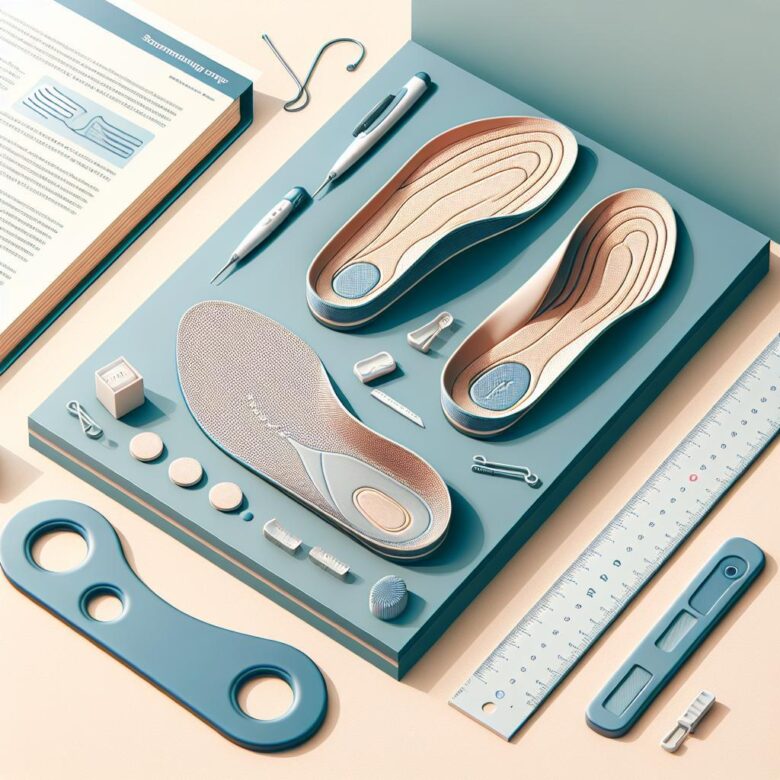
Then match cushioning to how your symptoms behave after two or three hours, not just the first ten minutes in the store. Soft foam can feel great initially yet let the plantar fascia overwork by late afternoon; denser EVA or a semi-rigid shell usually holds up better for warehouse shifts, teaching, or hospital rounds. I often tell people to remove the factory liner, trace it, and compare length and heel cup depth before ordering from Superfeet or checking fit options on Zappos.
- Desk job with short walks: moderate arch support, thinner profile, mild heel cushioning to fit dress shoes without crowding the toe box.
- All-day standing: deeper heel cup, firmer rearfoot control, top layer that resists packing out rather than plush softness.
- Walking or light training: flexible forefoot, stable heel platform, and enough volume compatibility for athletic shoes.
One quick observation from clinic-style fittings: people with high arches often buy the thickest cushioned insole and then wonder why the shoe feels unstable. Too much stack height can lift the heel and change heel counter contact, which is a common cause of rubbing and poor control.
A real example: a retail worker with flat feet may feel better in a firm posted insole during an eight-hour shift, while the same person might prefer a slightly softer pair for weekend errands. That is normal. If one pair has to do everything, prioritize the activity that triggers symptoms most consistently, or you will end up with an insole that is comfortable nowhere.
Common Insole Buying Mistakes That Can Worsen Plantar Fasciitis Symptoms
One of the most common mistakes is buying insoles by softness alone. Cushion feels good in the store, but very soft foam often lets the heel sink and the arch collapse a little more with every step, which can keep the plantar fascia under load instead of calming it down.
Another problem is choosing a high arch support because it looks “more corrective.” Not always. If the arch shape sits too far forward or too high for your foot, it creates a pressure point in the midfoot and changes how you walk; I see this often when people trim a generic insole to fit the toe box and accidentally shift the support to the wrong place.
Watch for these buying errors:
- Using one insole for every shoe, including flat dress shoes or narrow trainers where the insert lifts the heel and crowds the toes.
- Ignoring shoe volume and buying a full-length device that forces the foot upward against the upper.
- Replacing support based on appearance instead of wear pattern, especially when the heel cup has started leaning inward.
Quick real-world observation: runners do this a lot. They move a bulky insole into a lightweight shoe, then wonder why they get new forefoot pain within a week. The issue is not just the insole; it is the insole-shoe combination.
And yes, this matters.
A practical check before committing: remove the factory liner, place the new insert on top of it, and compare heel depth, arch position, and forefoot width. If you are ordering online through Zappos or checking fit guidance on PowerStep, be suspicious of anything marketed as “universal support.” With plantar fasciitis, a poor match usually feels worse after standing still, not just after exercise.
Final Thoughts on How to Choose Corrective Insoles for Plantar Fasciitis Relief
Choosing the right corrective insoles for plantar fasciitis comes down to fit, support, and comfort you can sustain daily. The best option should match your arch shape, cushion heel impact, and stabilize your foot without creating new pressure points. If an insole feels overly rigid, slips in your shoe, or worsens pain, it is not the right choice-no matter how advanced it claims to be.
- Prioritize function over marketing and test insoles in the shoes you wear most.
- Replace worn insoles promptly, since lost support can delay recovery.
- Seek professional advice if pain persists, spreads, or limits walking.
Relief usually comes from consistent support, not a quick fix, so choose insoles that help you move comfortably and confidently every day.

Dr. Marcus Vane is a Doctor of Podiatric Medicine (DPM) and a specialist in athletic biomechanics. With over a decade of experience treating professional runners and athletes, he focuses on how footwear impacts kinetic chain performance. At OxydShoes Pro Guide, Dr. Vane provides evidence-based reviews to help you find the perfect balance between high-speed performance and long-term foot health.