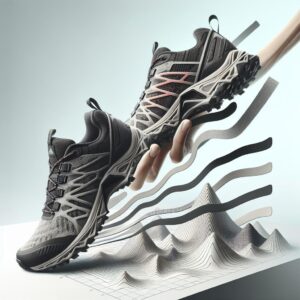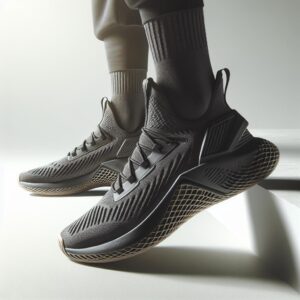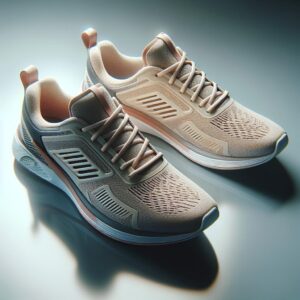
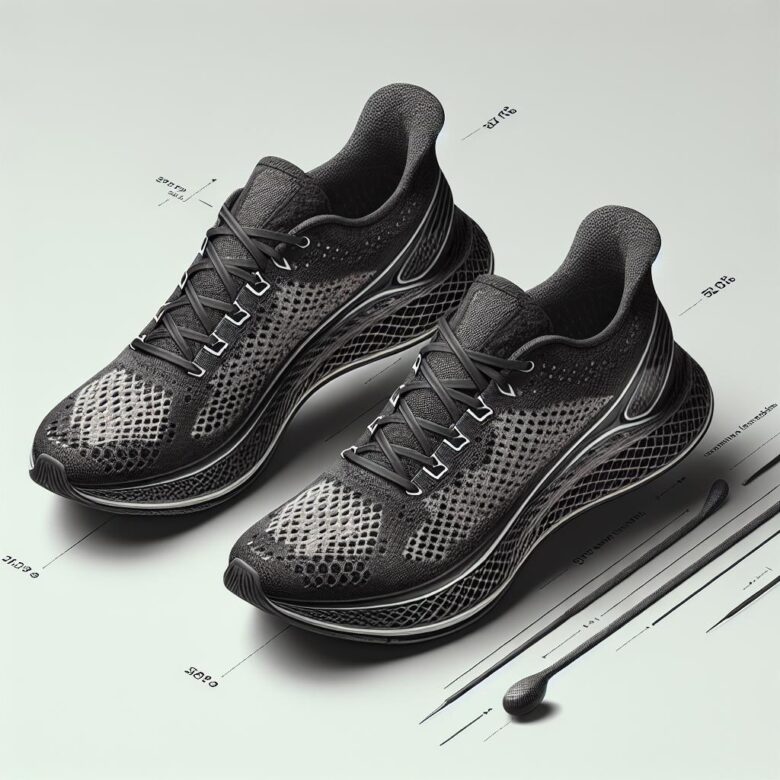
Can the wrong carbon-plate shoe cost you minutes on race day-even if it feels fast in the store? Marathon supershoes are not one-size-fits-all, and choosing purely by hype, price, or elite endorsements can leave you battling instability, calf fatigue, or a late-race collapse.
The best carbon-plate sneaker is the one that matches your biomechanics, pace profile, and marathon goals-not just the one with the loudest marketing. Plate shape, midsole foam, stack height, and overall geometry all influence how efficiently a shoe works with your stride over 26.2 miles.
That is why smart selection goes beyond softness and speed. You need to assess propulsion, comfort under fatigue, cornering stability, fit as your feet swell, and whether the shoe still feels economical after two hours of running.
In this guide, we will break down exactly how to choose a carbon-plate marathon racer that helps you run faster with less wasted energy-and with fewer unpleasant surprises after mile 20.
What Makes Carbon-Plate Marathon Shoes Different: Plate Geometry, Foam Type, and Race-Day Benefits
What actually changes when a marathon shoe gets a carbon plate? Not just stiffness. The plate’s geometry controls how the shoe bends and rolls: a flatter plate feels more stable and predictable, while a spooned or aggressively curved plate drives you forward harder but can feel twitchy if your form fades after 30 km. That distinction matters more than marketing names, because late-race mechanics expose every design choice.
Foam is the other half of the system. A plate in a firm midsole can feel harsh, almost lever-like; paired with a highly resilient PEBA-based foam, it stores and releases energy with far less leg beat-up than older EVA blends. In practice, runners often notice this not at 5K pace, but when marathon pace starts slipping and the shoe still helps maintain rhythm instead of turning dead.
- Plate placement: Lower-set plates usually improve stability; plates embedded higher in soft foam feel more propulsive but less planted on cambered roads.
- Forefoot shape: A wider forefoot platform spreads pressure better for runners who fatigue through the metatarsals late in the race.
- Foam rebound: Softer, supercritical foams compress more, so the plate’s job becomes directional control as much as propulsion.
I’ve seen this in fittings a lot: one runner tests two “fast” models at the same pace, but the shoe with the more moderate rocker leaves their calves fresher. Small difference, big outcome. If you compare options on RunRepeat or in-store with a treadmill video, watch where the shoe tips you onto the forefoot rather than focusing only on weight.
One quick observation-wet turns and aid stations tell the truth. Some marathon supershoes feel brilliant in a straight line, then sloppy when the foam shears sideways. Race-day benefit is not just speed; it is preserving mechanics when you are no longer running clean.
How to Choose the Right Carbon-Plate Sneakers for Your Marathon Pace, Gait, and Training Load
Start with your actual marathon pace, not the pace you hope to hold on a perfect day. Carbon-plated models feel very different at 3:05/km than they do at 5:00/km because the foam compression and rocker timing change under load. A shoe that feels snappy in a store jog can become awkward at your real race rhythm, especially for runners who shuffle late in the race rather than drive off the forefoot.
Keep it simple.
If you heel strike with a long ground-contact time, look for a plate-and-midsole setup that transitions smoothly instead of one that demands aggressive toe-off. In practice, that usually means a slightly wider platform, less intrusive sidewall geometry, and a rocker that starts earlier; a lot of runners figure this out only after reviewing slow-motion clips in Coach’s Eye or treadmill video from their local shop. If you pronate more when fatigued, be careful with very narrow heel constructions-those can feel brilliant for 10K pace and unstable at mile 22.
- Fast racers: prioritize plate stiffness and rebound if you can maintain mechanics deep into the race.
- Mid-pack marathoners: favor a stable super shoe that still rolls well when cadence drops.
- High training load runners: choose a model you can tolerate in key workouts, not one reserved for race day only.
A quick real-world observation: runners doing 90-110 km per week often overbuy “pure race” shoes, then avoid them in marathon-pace sessions because their calves get cooked. That is usually a sign the geometry does not match their gait or ankle mobility, not a toughness issue.
One good test is a 16-24 km long run with the final 8-10 km at goal pace. If the shoe feels better as you speed up without forcing your stride pattern, you are close; if you start landing strangely or fighting the rocker, move on. The wrong carbon shoe rarely feels terrible immediately-usually it gets expensive after two hours.
Common Carbon-Plate Shoe Buying Mistakes That Can Hurt Marathon Performance
One of the most expensive mistakes is buying a carbon-plated racer based on short test-run feel. A shoe that feels explosive for 5K can become punishing after 28 to 32 km if the forefoot rocker does not match your stride timing or the plate is too aggressive for your ankle mobility. I have seen runners lock into a popular model after one fast treadmill session, then lose efficiency late in the marathon because the shoe was doing work their gait could not support for long.
Another common error is ignoring pace-specific behavior. Some supershoes are stable only when you stay near goal marathon pace; slow down at aid stations or through crowded opening miles and they begin to feel awkward, even sloppy on corners. That matters more than people think, especially on courses with turns, camber, or wet paint lines.
Simple, but costly.
- Choosing by weight alone instead of total platform geometry, especially heel width and sidewall shape.
- Using race-day socks during training in one shoe, then switching thickness on marathon morning and losing lockdown.
- Skipping heat testing; some uppers feel fine indoors, then swell badly in warm conditions over two hours.
A quick real-world observation: runners often blame “dead legs” when the issue is actually foot movement inside the shoe after 25 km. Check this with a race-pace long run, then review stride and foot placement on video in Coach’s Eye or compare splits and cadence drift in Garmin Connect. If cadence climbs while pace fades, the shoe may be costing you more than it saves.
And yes, this happens a lot with online impulse buys made during launch week. If a carbon shoe is not tested in the exact setup you will race in-sock, lacing, insoles, fueling stops, tired legs-you are not choosing it; you are guessing.
Expert Verdict on How to Choose the Right Carbon-Plate Sneakers for Marathon Racing
Choosing the right carbon-plate marathon shoe comes down to matching the shoe to your biomechanics, pace, and race goals-not simply buying the most popular model. The best option should feel efficient without compromising stability, especially late in the race when form begins to fade.
- Prioritize fit and control if you value consistency over pure aggression.
- Choose maximum propulsion only if you can handle a more demanding ride.
- Test before race day to confirm comfort, turnover, and confidence at marathon effort.
In the end, the right choice is the one that helps you hold pace economically for 42.2 km-not the one that looks fastest on paper.

Dr. Marcus Vane is a Doctor of Podiatric Medicine (DPM) and a specialist in athletic biomechanics. With over a decade of experience treating professional runners and athletes, he focuses on how footwear impacts kinetic chain performance. At OxydShoes Pro Guide, Dr. Vane provides evidence-based reviews to help you find the perfect balance between high-speed performance and long-term foot health.