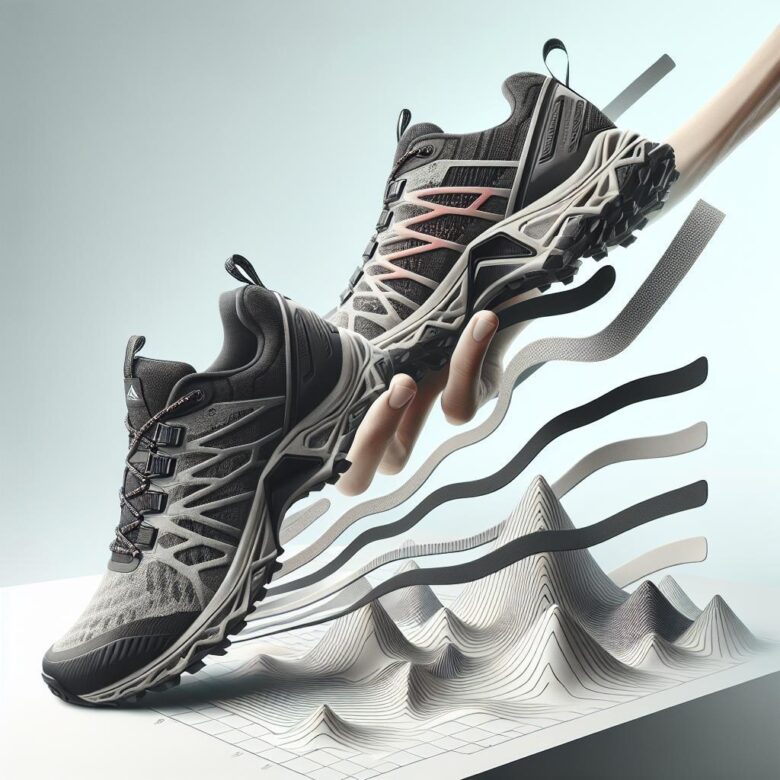
What separates a confident downhill charge from a costly slip on loose, technical terrain? In trail running, traction is not a bonus feature-it is the difference between holding your line and losing your rhythm.
The best high-performance trail footwear is built to grip wet rock, bite into mud, and stay stable when the pace rises. Lug depth, rubber compound, and underfoot geometry all shape how a shoe performs once the trail turns unpredictable.
This guide highlights top-rated trail running shoes designed for runners who demand control, speed, and durability in real off-road conditions. Whether you are racing steep singletrack or training through mixed terrain, the right pair can sharpen every step.
From aggressive outsoles to precision-fit uppers, we break down the models that deliver reliable traction without sacrificing comfort or responsiveness. If performance matters more than marketing, these are the shoes worth your attention.
What Defines Top-Rated Trail Running Footwear for High-Performance Traction?
What separates genuinely top-rated trail footwear from models that only test well on paper? It’s not just aggressive lugs. High-performance traction is defined by how the outsole compound, lug geometry, and platform stability work together when the trail stops being predictable-wet roots, off-camber rock, loose scree, and packed dirt all ask for different kinds of grip.
A shoe earns that “top-rated” status when traction stays usable under fatigue, not only in the first mile. In practice, I look for rubber compounds that remain tacky in cold conditions, multidirectional lugs that brake on descents without feeling vague on climbs, and a chassis that keeps the foot from rolling over the edge of the sole. Small detail, big consequence.
- Rubber behavior: Softer compounds usually grip rock better, but they can wear quickly on mixed terrain. Brands often balance this by placing stickier rubber at the forefoot and heel strike zones.
- Lug design: Depth matters less than shape and spacing. Widely spaced chevron lugs tend to shed mud better than tightly packed patterns that cake over after one wet mile.
- Ground control: A lower stack and secure midfoot hold often improve usable traction because the shoe lets you place weight precisely, especially on technical traverses.
I’ve seen runners blame “bad grip” when the real issue was instability from a tall, soft midsole. On a rocky descent, a shoe can have excellent outsole rubber and still feel slippery if the foot shifts inside the upper. That’s why experienced buyers cross-check reviews on REI or Running Warehouse for comments about foothold, not just outsole praise.
If you run local forest trails after rain, the best traction shoe is rarely the one with the deepest lugs; it’s the one that keeps contact consistent across changing surfaces. That distinction matters more than marketing labels.
How to Match Trail Running Shoes to Terrain, Weather, and Running Style
Start with the ground, not the shoe wall. Pull up the route on Gaia GPS or Strava, check surface notes, elevation profile, and recent comments, then match outsole and upper to what will actually be underfoot for most of the run-not the first mile. A dry ridge route with long granite slabs rewards lower-profile lugs and sticky rubber, while a forest course with wet roots and churned switchbacks needs deeper, more open lug spacing that sheds mud instead of packing it.
Weather changes the fit equation more than many runners expect. Cold starts and creek crossings make feet less stable inside the shoe, so a secure midfoot wrap matters as much as traction; in hot, exposed conditions, a breathable upper with fast drainage usually beats a heavily armored build. Simple rule: if the forecast suggests saturation for more than half the outing, prioritize drainage over waterproofing unless you are moving slowly in truly cold conditions.
Running style matters. A heel-heavy descender often benefits from a broader heel platform and firmer sidewalls, while a nimble forefoot runner on technical singletrack can use a more flexible shoe with precise ground feel. I see this a lot on rocky ultras: two runners on the same course need different shoes because one dances around obstacles and the other punches straight through them.
- Loose scree or off-camber trail: look for lateral stability and a well-protected toe bumper.
- Long buffed-out miles: moderate lugs and smoother transition geometry reduce lower-leg fatigue.
- Snow, slush, freeze-thaw: make sure the outsole rubber stays tacky in cold temperatures.
One quick observation: many people overbuy aggression. If your local trails are mostly hardpack with occasional wet patches, deep mountain lugs can feel vague and waste energy. Better to match for the dominant terrain and accept small compromises than wear the wrong tool every run.
Common Trail Shoe Buying Mistakes That Reduce Grip, Stability, and Durability
Most grip problems start before the first run: buying by brand reputation or outsole look alone. A lug pattern that feels “aggressive” in the shop can skate on wet rock if the rubber compound is too hard, and a broad, plush platform can feel stable on flat ground yet fold awkwardly on off-camber trail. The mistake is treating traction, stability, and lifespan as separate features when they trade off against each other in the same shoe.
One common miss is not matching outsole design to the terrain you actually run. Deep, widely spaced lugs shed mud well but wear fast on hardpack and pavement transitions; low-profile lugs last longer but can feel vague in loose scree or soaked roots. I’ve seen runners buy a mountain shoe for mixed suburban trail loops, then wonder why the edges round off in six weeks after repeated road miles to the trailhead.
- Ignoring midfoot security: if the heel is locked but the midfoot floats, the foot slides inside the shoe and “fake instability” gets blamed on the outsole.
- Choosing by stack height without testing side-hill behavior: a shoe can be comfortable straight ahead and still feel tippy on traverses.
- Skipping wear-pattern checks after fitting: a quick treadmill jog on an incline, available in many specialty shops, reveals whether your gait is chewing the lateral heel or twisting the forefoot early.
Small thing. Big consequence.
Another one, honestly, is buying too snug for descents. Toenail pressure changes your stride, and once you start braking instead of rolling through, grip drops because the shoe is no longer loading evenly. If you use Strava or Garmin Connect, compare pace and cadence on technical descents after shoe changes; sudden cadence hesitation often points to poor foothold, not lack of fitness.
I still notice this in experienced runners: they replace a reliable pair with the newest “faster” model right before a race on wet, steep trail. That is where durability assumptions also go wrong-light uppers and exposed midsole foam can be excellent, but not if your routes include sharp shale, toe drags, and constant lateral abrasion. Buy for your abuse pattern, not the marketing label.
The Bottom Line on Top-Rated Trail Running Footwear for High-Performance Traction
Choosing the right trail running footwear comes down to matching traction, protection, and responsiveness to the terrain you actually run most. The best option is not simply the most aggressive outsole, but the shoe that gives you reliable grip without compromising comfort, stability, or efficiency over distance. Before buying, weigh lug depth, surface compatibility, weather conditions, and fit under fatigue. A smart decision is to prioritize the model that supports your typical routes and running style rather than edge-case performance. In practice, the right pair should help you move with confidence, conserve energy, and stay consistent across changing trail conditions.

Dr. Marcus Vane is a Doctor of Podiatric Medicine (DPM) and a specialist in athletic biomechanics. With over a decade of experience treating professional runners and athletes, he focuses on how footwear impacts kinetic chain performance. At OxydShoes Pro Guide, Dr. Vane provides evidence-based reviews to help you find the perfect balance between high-speed performance and long-term foot health.