Could the wrong walking shoes be quietly making every step harder on aging joints? For older adults, the right pair can mean less pain, steadier movement, and far more confidence from the first walk of the day to the last errand at night.
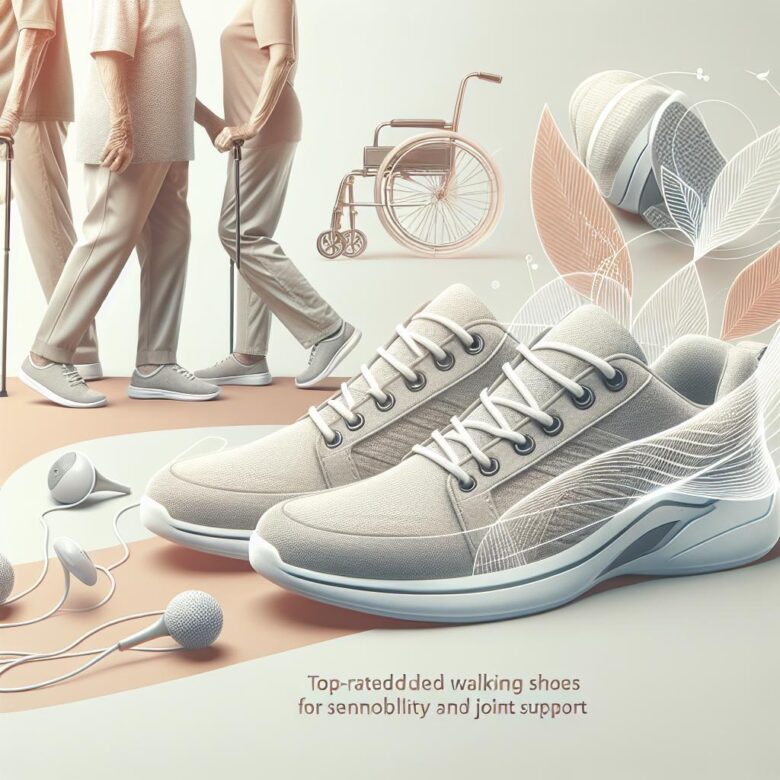
Top-rated walking shoes for seniors are not just soft or lightweight-they are built to support balance, absorb impact, and reduce strain on knees, hips, and lower back. Features like cushioned midsoles, slip-resistant outsoles, wide toe boxes, and secure heel support can make a measurable difference in daily mobility.
But not every popular shoe is truly senior-friendly. Some models feel comfortable for a few minutes yet fall short where it matters most: stability, joint protection, easy on-and-off access, and reliable traction on real-world surfaces.
This guide highlights the best walking shoes for senior mobility and joint support, with a close look at comfort, fit, safety, and long-term wear. Whether the goal is longer walks, fewer aches, or better stability, the right choice starts here.
What Makes the Best Walking Shoes for Seniors: Cushioning, Stability, and Joint Protection
What actually separates a senior-friendly walking shoe from a standard cushioned sneaker? Not softness alone. The best pairs balance three things at once: impact absorption that does not feel mushy, a stable platform that keeps the foot from drifting, and enough structure to reduce stress traveling into the knees, hips, and lower back.
A common mistake is choosing the plushest midsole on the shelf. Too much compression can make push-off less secure, especially for older adults with reduced ankle strength or slower reaction time. In practice, a firmer heel counter, a broad outsole, and a rocker shape often do more for comfort over a 20-minute walk than extra foam does.
- Cushioning: look for responsive foam that rebounds instead of bottoming out under body weight; this matters more than simply having a thick sole.
- Stability: a wide base, guided heel cup, and moderate torsional rigidity help control side-to-side motion on uneven sidewalks.
- Joint protection: smooth heel-to-toe transition reduces abrupt loading, which is especially useful for walkers managing knee arthritis or hip stiffness.
I have seen this often in store fittings: someone with mild knee osteoarthritis feels great standing in a very soft shoe, then reports soreness after a week because the foot kept rolling inward. A better match is usually confirmed by watching gait on a treadmill or in-store walkway, and tools like the foot scan at Fleet Feet can help flag width issues, pressure points, and asymmetry.
One quick observation: people blame age for foot fatigue when the real culprit is often a narrow toe box forcing the forefoot to work harder for balance. It happens.
The best walking shoe for seniors should feel calm underfoot, not dramatic. If the shoe makes every step feel springy but slightly uncertain, that tradeoff is rarely worth it.
How to Choose Top-Rated Walking Shoes for Senior Mobility Based on Fit, Gait, and Daily Activity
Start with the foot you actually walk on, not the size printed on old shoes. Measure both feet late in the day using a Brannock Device in-store, then check whether the longer foot still has a thumbnail’s width in front when standing. For many older adults, the deciding factor is not length but forefoot volume-if toes splay against the upper, balance compensation often shows up before pain does.
Watch the wear pattern on the last two pairs you used. Heavy outer-heel abrasion usually points to a hard heel strike and calls for a shoe with a stable crash zone rather than a soft, collapsing heel; uneven wear under the big toe may suggest limited toe-off and a need for a rocker-style sole. This matters. A shoe can feel comfortable in a chair and still work against your gait the moment you walk down a grocery aisle.
- If you shuffle or catch the toe, choose a shoe with a slight toe spring and a secure midfoot hold, not a bulky front end.
- If swelling changes through the day, look for adjustable lacing or hook-and-loop closure plus a removable insole for volume control.
- If your walking is mostly indoors on hard floors, prioritize outsole grip and underfoot stability over deep tread meant for trails.
I’ve seen this often: someone buys the softest pair on the shelf for knee pain, then feels less steady on tile because the foam is too compliant. A retired teacher who walks twice a day with a cane may do better in a firmer, broad-based walking shoe than in a heavily cushioned running model. Ask a fitter to do a short walk test, or record a 10-second hallway video and review it through OnForm or a podiatry clinic’s gait app.
One more thing-bring the socks and orthotics you actually use. The right shoe is the one that stays predictable from the first morning trip to the bathroom to the last errand of the day, without forcing your stride to adapt.
Common Walking Shoe Mistakes Seniors Should Avoid to Improve Comfort, Balance, and Long-Term Support
Too many seniors buy for softness first and stability second. That usually backfires: a very plush shoe can let the foot drift on contact, which shows up as ankle wobble, slower correction on uneven pavement, and a vague “I don’t trust this shoe” feeling after a few blocks.
- Choosing a shoe one full size too large to “make room” for swelling. Extra length creates toe gripping, and that changes gait more than people realize.
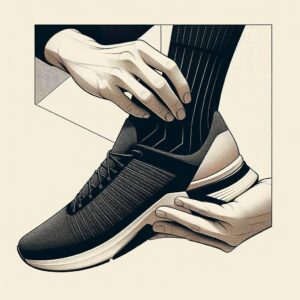
- Keeping factory laces loose because bending down is difficult. A poor midfoot hold makes the heel slide, which often gets mistaken for a width problem.
- Replacing shoes by appearance instead of wear pattern. Outsoles can look acceptable while the midsole has already compressed and lost control.
I see this often in store fittings: someone says the shoe is uncomfortable, but the real issue is that they are judging it with the wrong socks and old orthotics. Bring the socks you actually walk in, and if you use inserts, test the shoe with them in place; a quick check on a Brannock Device and a short walk on a hard surface tell you more than five minutes on carpet ever will.
One more thing. Rotating between two pairs is not a luxury habit; it lets cushioning rebound and helps you notice when one pair starts leaning or wearing unevenly. If a senior starts avoiding a familiar route because the sidewalk “feels harder lately,” I’d inspect the shoes before blaming age, weather, or motivation.
Closing Recommendations
Choosing the right walking shoe is less about brand prestige and more about how well it supports your stride, cushions impact, and helps you feel steady with every step. The best option is the one that reduces strain on your joints while giving you enough confidence to stay active consistently.
Before you decide, focus on these essentials:
- Fit first: prioritize a secure heel, roomy toe box, and no pressure points.
- Support matters: look for reliable arch support and shock absorption suited to your walking habits.
- Test in motion: walk on different surfaces and choose the pair that feels stable, not just soft.
A well-chosen pair can make daily movement easier, safer, and far more comfortable over time.

Dr. Marcus Vane is a Doctor of Podiatric Medicine (DPM) and a specialist in athletic biomechanics. With over a decade of experience treating professional runners and athletes, he focuses on how footwear impacts kinetic chain performance. At OxydShoes Pro Guide, Dr. Vane provides evidence-based reviews to help you find the perfect balance between high-speed performance and long-term foot health.